
Best Diet for Osteoporosis Prevention
Osteoporosis is a silent disease that weakens bones, increasing the risk of fractures. It often goes unnoticed until a fracture occurs, which makes prevention through proper nutrition essential. The best diet for osteoporosis includes key nutrients like calcium, vitamin D, magnesium, and protein, all of which support strong bones and prevent deterioration. Fortunately, making dietary changes early can significantly reduce the risk and progression of this condition.
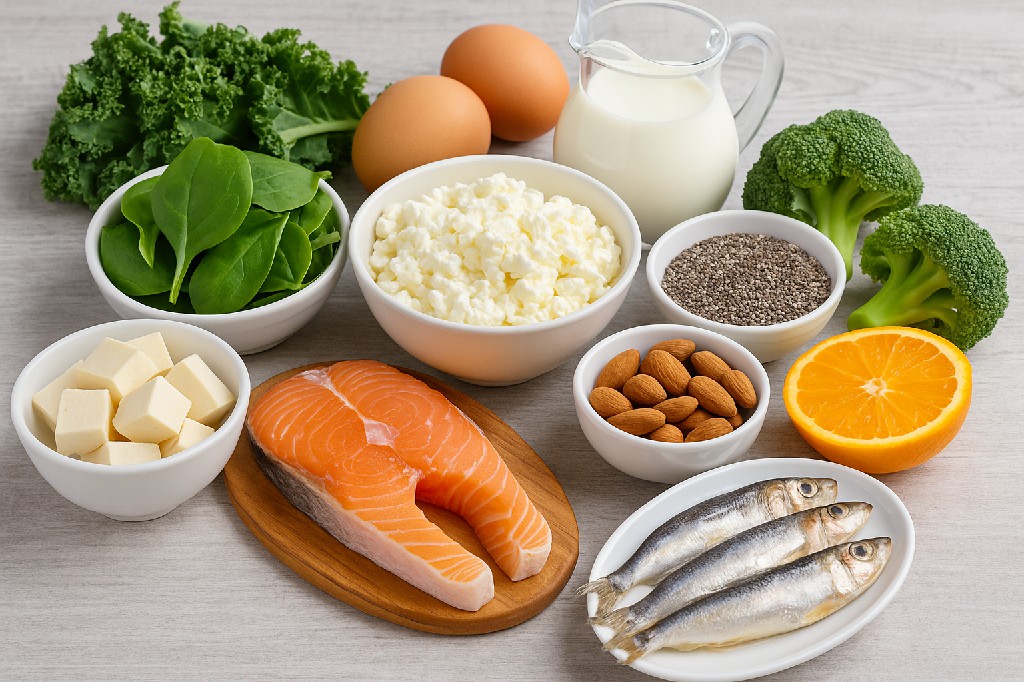
Why the Best Diet for Osteoporosis Matters
As we age, our bones naturally lose density. However, diet plays a crucial role in either accelerating or slowing this process. The best diet for osteoporosis provides not just the right nutrients, but also the optimal conditions for nutrient absorption and bone repair. Furthermore, combining the right foods with physical activity helps maintain skeletal strength and overall well-being.
Calcium-Rich Foods for Bone Strength
Without a doubt, calcium is the foundation of bone health. In fact, over 99% of the body’s calcium is stored in bones and teeth. Therefore, one of the core components of the best diet for osteoporosis is a consistent intake of calcium-rich foods.
Top sources of calcium:
- Dairy products (milk, yogurt, cheese)
- Leafy greens (kale, bok choy, collard greens)
- Fortified plant-based milks (almond, soy, oat)
- Sardines and canned salmon with bones
- Tofu made with calcium sulfate
Moreover, it’s important to spread calcium intake throughout the day to improve absorption. Avoiding excess salt and caffeine also helps prevent calcium loss through urine.
Vitamin D in the Best Diet for Osteoporosis
Even with enough calcium, your body cannot absorb it without sufficient vitamin D. For that reason, the best diet for osteoporosis includes foods and habits that boost vitamin D levels.
Vitamin D sources include:
- Fatty fish like salmon, mackerel, and tuna
- Egg yolks
- Fortified foods such as milk, cereal, and orange juice
- Safe sun exposure (15-30 minutes daily)
Additionally, many individuals, especially older adults, may require vitamin D supplements to maintain adequate levels. Always consult with a healthcare provider for personalized dosage.
The Role of Magnesium in Bone Health
Magnesium plays a supporting but essential role in the best diet for osteoporosis. It helps regulate calcium transport and supports bone structure.
Magnesium-rich foods:
- Whole grains (brown rice, oats, quinoa)
- Nuts and seeds (almonds, sunflower seeds, chia)
- Legumes (black beans, lentils)
- Leafy green vegetables
- Dark chocolate (in moderation)
Although often overlooked, magnesium deficiencies can contribute to bone weakness. Therefore, maintaining a balanced intake is critical for long-term skeletal health.
Protein Balance in the Best Diet for Osteoporosis
Contrary to past beliefs, protein is not harmful to bones when consumed properly. In fact, it’s necessary for maintaining muscle mass and bone density, especially in older adults.
Good protein choices for bone health:
- Lean meats and poultry
- Fish and seafood
- Legumes and lentils
- Greek yogurt and cottage cheese
- Plant-based proteins like tempeh and tofu
Nonetheless, balance is key. Excessive protein, particularly from animal sources, can lead to calcium loss if not balanced with fruits, vegetables, and adequate hydration.
Other Essential Nutrients for Bone Support
In addition to calcium, vitamin D, and magnesium, several other micronutrients enhance bone health. The best diet for osteoporosis includes:
- Vitamin K2: Found in fermented foods like natto and aged cheese, it supports bone mineralization.
- Zinc: Present in beef, pumpkin seeds, and chickpeas, zinc plays a role in bone tissue renewal.
- Boron: Found in apples, avocados, and nuts, boron helps retain calcium and magnesium.
These nutrients often work synergistically, meaning they boost each other’s effects. Therefore, a varied and nutrient-rich diet is essential.
Anti-Inflammatory Foods to Support Bones
Chronic inflammation contributes to bone loss. Consequently, the best diet for osteoporosis includes anti-inflammatory foods that support both bone and general health.
Recommended foods:
- Berries (blueberries, strawberries)
- Leafy greens (spinach, arugula)
- Extra virgin olive oil
- Turmeric and ginger
- Omega-3 fatty acids (from fish and flaxseeds)
By integrating these foods, you help reduce oxidative stress and support the body’s ability to regenerate bone tissue.
What to Avoid in the Best Diet for Osteoporosis
Just as important as what to include is knowing what to limit. The best diet for osteoporosis minimizes foods that leach calcium or interfere with nutrient absorption.
Foods to limit:
- Excess salt: Increases calcium excretion
- Sugary snacks and sodas: Contribute to inflammation and calcium loss
- High-caffeine beverages: May reduce calcium absorption
- Excess alcohol: Impairs bone-building cells
Making these dietary adjustments can significantly enhance the effectiveness of bone-supportive nutrients.
Lifestyle Habits That Boost Bone Nutrition
Diet alone is powerful, but it becomes even more effective when paired with the right lifestyle habits. For a holistic approach to osteoporosis prevention, consider these tips:
- Weight-bearing exercises like walking, dancing, or yoga help maintain bone density.
- Strength training builds muscle and strengthens bones simultaneously.
- Avoid smoking, as it accelerates bone loss.
- Stay hydrated, especially when consuming fiber and protein.
These practices, combined with the best diet for osteoporosis, create a powerful defense against bone deterioration.
A Sample Day on the Best Diet for Osteoporosis
To make this practical, here’s a sample daily meal plan based on the best diet for osteoporosis:
Breakfast:
- Fortified oatmeal with chia seeds and almond milk
- Scrambled eggs with spinach
- Orange slices (vitamin C aids calcium absorption)
Lunch:
- Grilled salmon salad with leafy greens, avocado, and sunflower seeds
- Whole grain bread
- Yogurt with berries
Dinner:
- Stir-fried tofu with bok choy and brown rice
- Roasted carrots and broccoli
- A glass of fortified soy milk
Snacks:
- Almonds or walnuts
- Cottage cheese with sliced banana
This sample ensures a steady supply of bone-building nutrients throughout the day.
Final Thoughts on Osteoporosis and Nutrition
In conclusion, adopting the best diet for osteoporosis can significantly reduce your risk of bone fractures and maintain long-term mobility and independence. With the right combination of calcium, vitamin D, protein, magnesium, and other nutrients, you can give your bones the support they need at any age.
Furthermore, by including anti-inflammatory foods and avoiding dietary pitfalls, you create an environment in which bones can thrive. Combine this with a healthy lifestyle, and you’ll be well-equipped to fight osteoporosis naturally and effectively.